This week, in the series 'Other People's Freezers. Q&A with, we peek into the freezers of John Gonter of ‘On Food Without Compromise’.
Q: Hello John, can you please tell us a little about yourself and your publication?
A: I’ve been a cook since my teens. My mother offered me a deal: if you learn how to make family meals, you can get out of other chores. I had been complaining when she made my sister’s favorite meals, so I jumped on the chance to make what I wanted.
After almost 50 years in the kitchen, including working as a cook in high school and college, I’ve started teaching classes and workshops to share my experience, enthusiasm and love of obscure and wild foods.
On Food Without Compromise posts cover food, cooking, methods and stories from my experiences in the kitchen. I write from west central Maine. I work with wild foods, locally farmed foods and sometimes regional and international foods. Quality is a top priority. I want people to be more comfortable cooking, spending time in the kitchen and sharing hand made food.
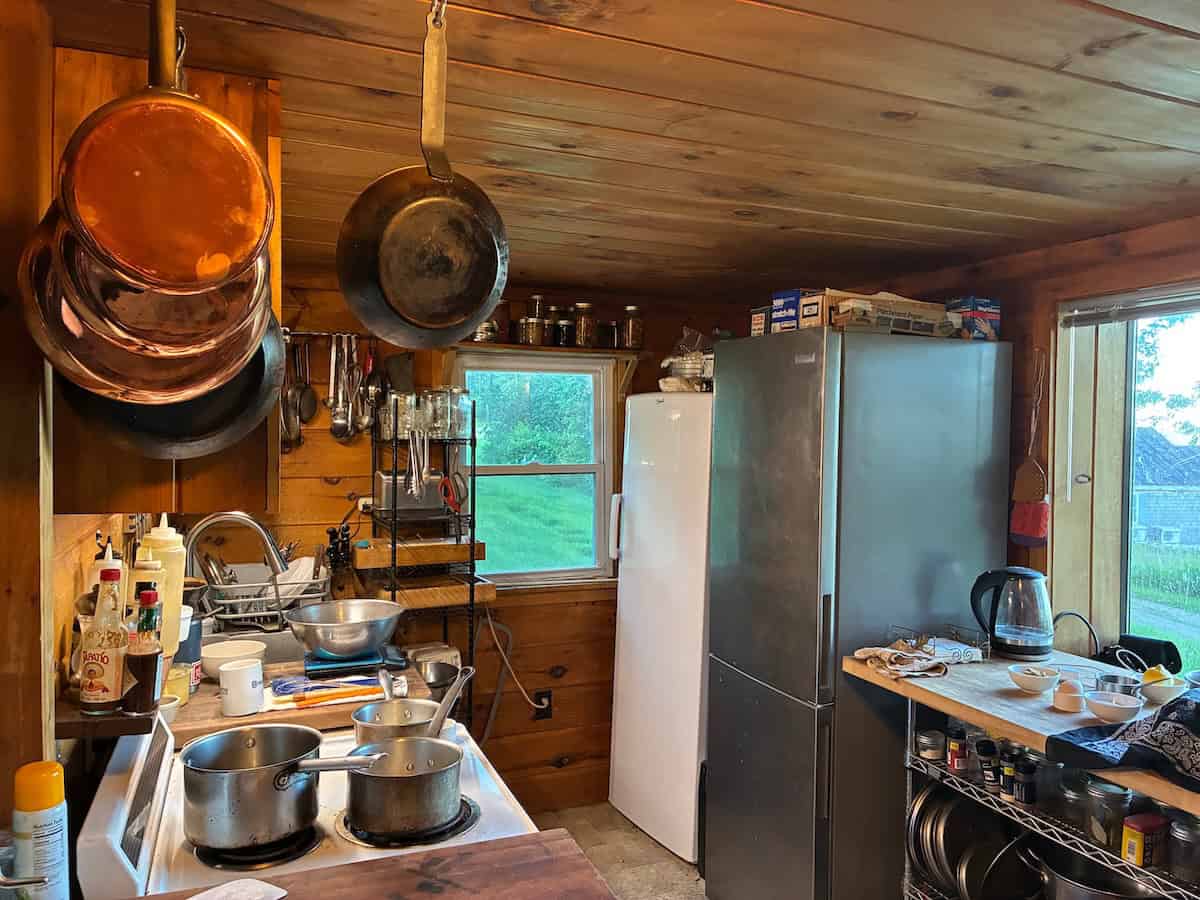
Q: Can you tell us about your freezer? Make/Model, how old it is and where do you keep it.
A: I have 3. One is integral to my small 24" Frigidaire refrigerator freezer. I have a 7 cu ft. GE chest freezer and an upright Avanti 6 cu ft freezer.
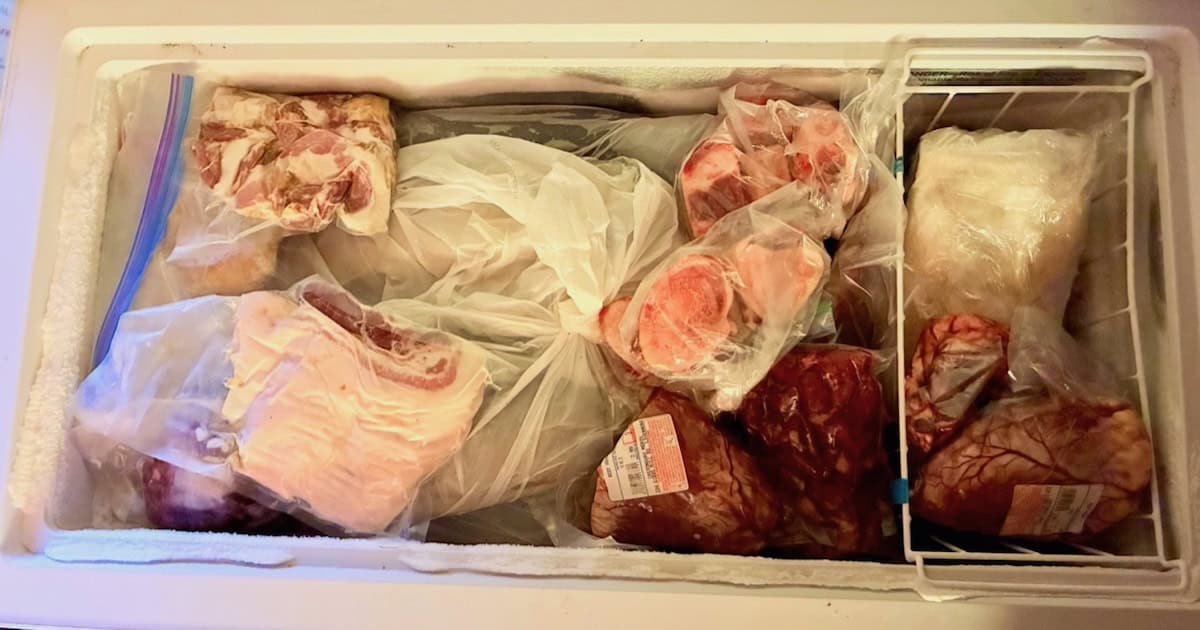
The Chest Freezer is very full, there are a couple of large bags just below the bones and jowl bacon that contain about 10 fish, Salmon and Lake Trout that are whole. Usually you could see crates I use to organize and a lot of labeled goat, lamb, white tail deer. There are large bags of hickory nuts down there as well.
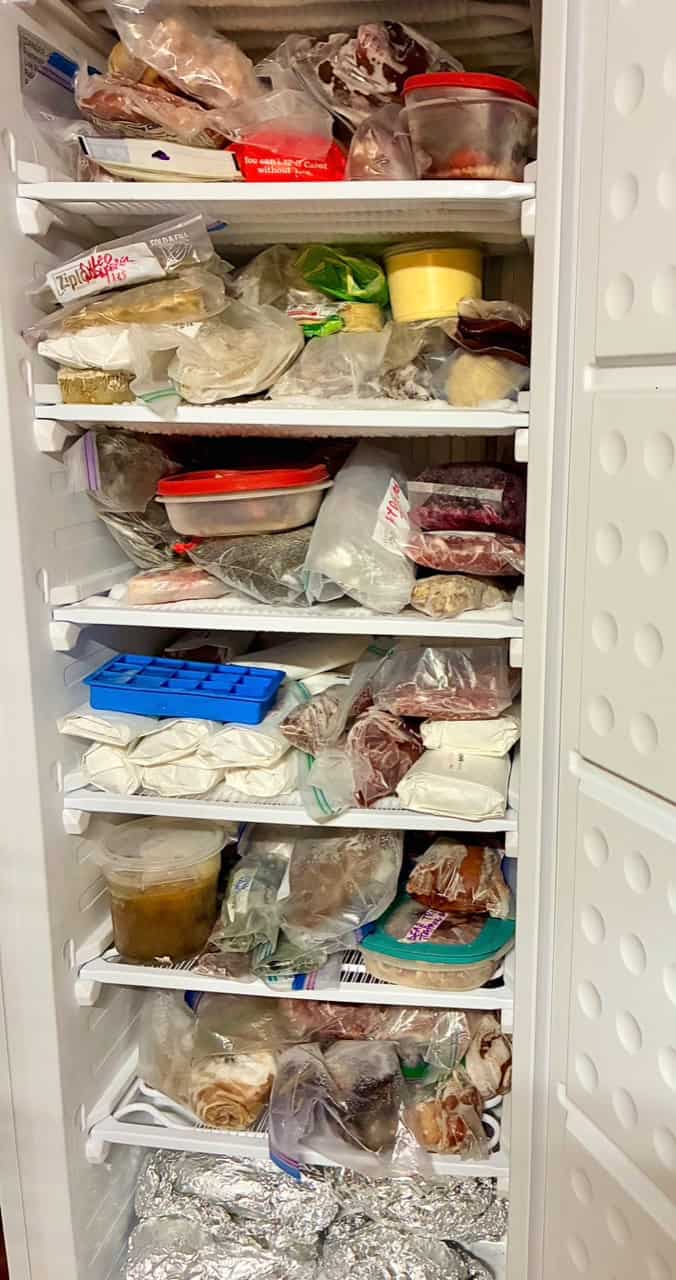
The upright freezer includes a lot of things including, liver, hearts, giblets from wild turkeys, ducks and game animals. Most of a black bear and white tail deer from last season is still there. In the foil are game birds: rock doves, pheasant and grouse. Also butter, mozzarella and berries.
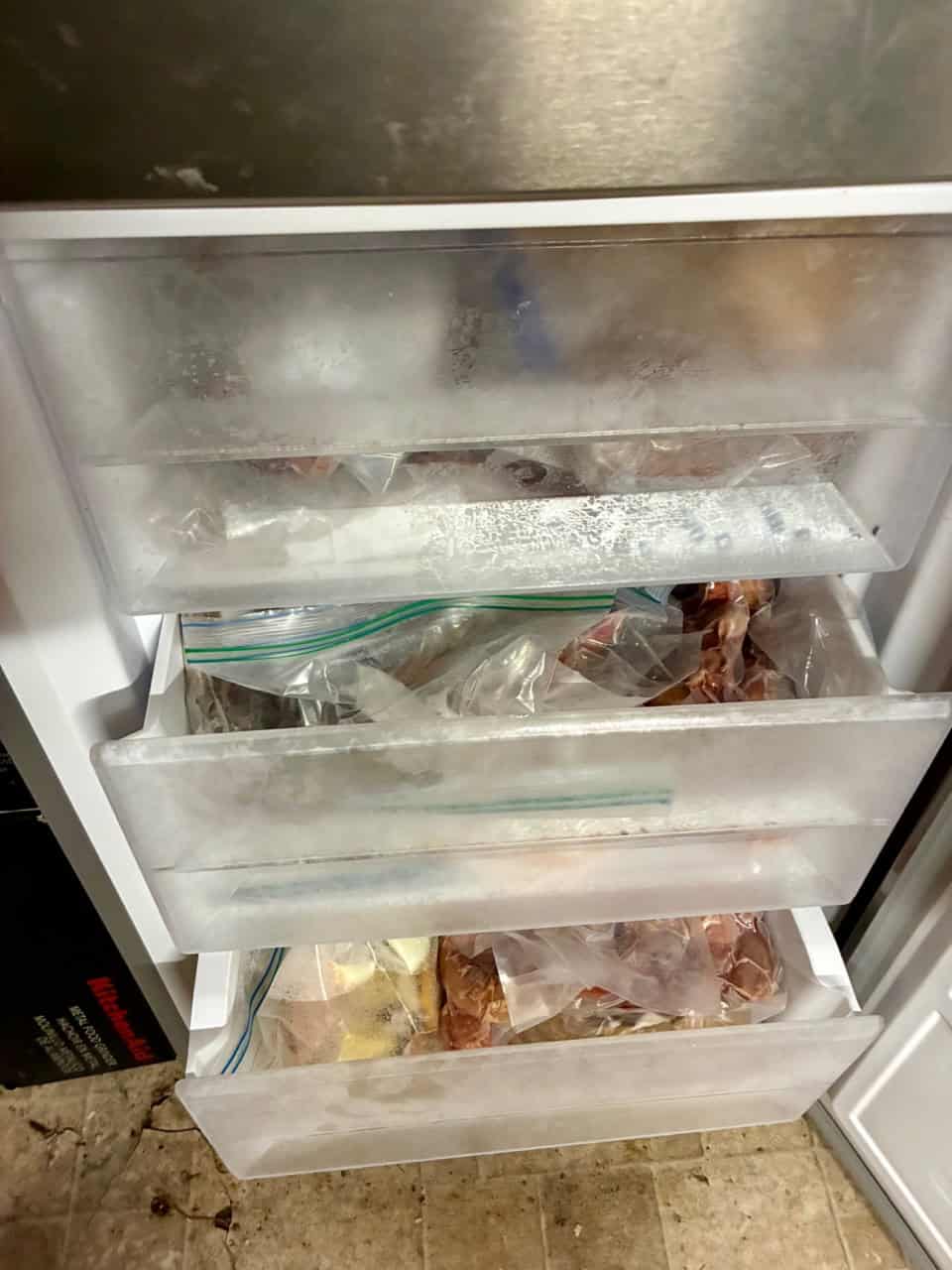
The drawers in my refrigerator/freezer mostly have my homemade bagels, naan bread, chicken parts for my dog and some home made ham and bacon.
Q: What do you mostly use your freezer for? Do you freeze fresh, perhaps homegrown food, or do you use it for ready frozen foods?
A: I get some meats locally from farmers which comes frozen: shanks, offal, back fat, tallow, goat, sheep, occasionally hogs. I make and freeze my own bacon. I pack and freeze my own wild meat and fish: currently black bear, white tail deer, wild turkey, ducks, grouse, squirrels, hares, trout, salmon, catfish. Nuts and berries. Cooked stinging nettles. Butter, some cheeses. Sometimes bones and stock. Things I make with the freezer in mind: meat balls, gyro meat, terrines, pates, breads, bagels, buns, muffins, pita, naan.
Q: What are your favourite leftovers to freeze?
A: Meatloaf, kefta, meatballs, smoked meats: ham, bacon, pastrami, corned tongues.
Q: Do you ever batch cook/prepare meals to freeze for later? If so, what kind of meals do you like to make?
A: This recipe and post ‘On Cooking The Gyro’ is an example of the food I like to make. I freeze half of the recipe. I also make various baked goods. I try not to buy breads etc,…
Q: Do you have a system for organising what’s in your freezer? Do you label items when you freeze them?
A: Yes, sharpies, freezer labels, freezer paper, vacuum bags. Content, date and sometimes extra details.
Q: Have you ever lost track of things and found “mystery containers” in there? What was it and how old was it?
A: Too many to list.
- Best finds: cookie dough, 3 years old. Good. 3 year old dry aged steer steak. Excellent. Beaver backstrap, 4 years old. Outstanding.
- Freezer bags or Freezer containers? I mostly use bags or wrap with plastic, freezer paper and foil. Containers occasionally for butter [which comes in pints] and other things in a pinch, but they are bulky and usually aren't filled up which enables freezer burn.
- Bags or paper. Both.
Q: What are your top tips on the best way to freeze food and organise your freezer.
A: Chest freezers are better for large items: rib cages, roasts, whole birds, and squirrels. If you use your freezers a lot and especially if you hunt and fish you MUST label things. I organize by species and muscle v organ. Fish v poultry v game. Repack your freezer[s] and defrost if needed more often than you want to.
Q: Is there anything else you would like to add?
A: Buy and use the best quality freezer paper, bags and plastic wrap. There are big differences. Meats and most cooked foods including vegetables freeze well. For foods including fresh vegetables and cooked foods that contain a lot of water like soup and tomato sauce—my top advice is to become a canner.
I learned after years of trying to freeze vegetables and soups, stir fry etc,…that canning produces much better results for leftovers or intentional processes that have a lot of water. Case in point are tomato sauces. I make large batches and used to freeze in tubs. But when thawed they break and shed water. Flavor is ok, but texture doesn’t survive the freeze/thaw process well. Canning on the other hand produces results almost identical to the day you put the food in the jars for canning.
Minimize air space in containers, bags, plastic and paper wrapped items to be frozen. Freezer burn is minimized when there are few or no air pockets. If you plan to freeze things for longer periods, over 6 months and up to a couple of years, I recommend vacuum sealing.
Next best results I’ve had is to plastic wrap and wrap in freezer/butcher paper.
Birds in full feather [and uneviscerated] freeze superbly by just wrapping them in foil. They can be thawed in the refrigerator and plucked/dressed later. I’ve kept birds up to 2 years using this method with excellent results.”
One important consideration for wild game meats and game birds:
Wet aging [refrigerator temp] for 3-5 days for birds and 5-7 days for game meats before freezing is critical to allow time for natural processes to tenderize and relax slow twitch muscle fibers. One of the reasons game meats are often tough is that they get frozen too soon after harvest before muscle fibers start to break down.
Thank you, John, for allowing us to peek into your freezers.
Read more and subscribe to John’s publication ‘On Food Without Compromise’.
Archive Collection: This post originally appeared on Foodstak. It has been moved here to The Foodstak Legacy Files to be preserved as part of our community archive. For my latest baking recipes, come visit me at Foodstak.com
Comments
Post a Comment