Dive into Other People's Bookshelves, Q&A with Cheryl, Queen of Markets. and discover her favourite cook books old and new and the authors she has met and would love to meet.
Q - Hello Cheryl. Can you please tell us about yourself and your substack publication?
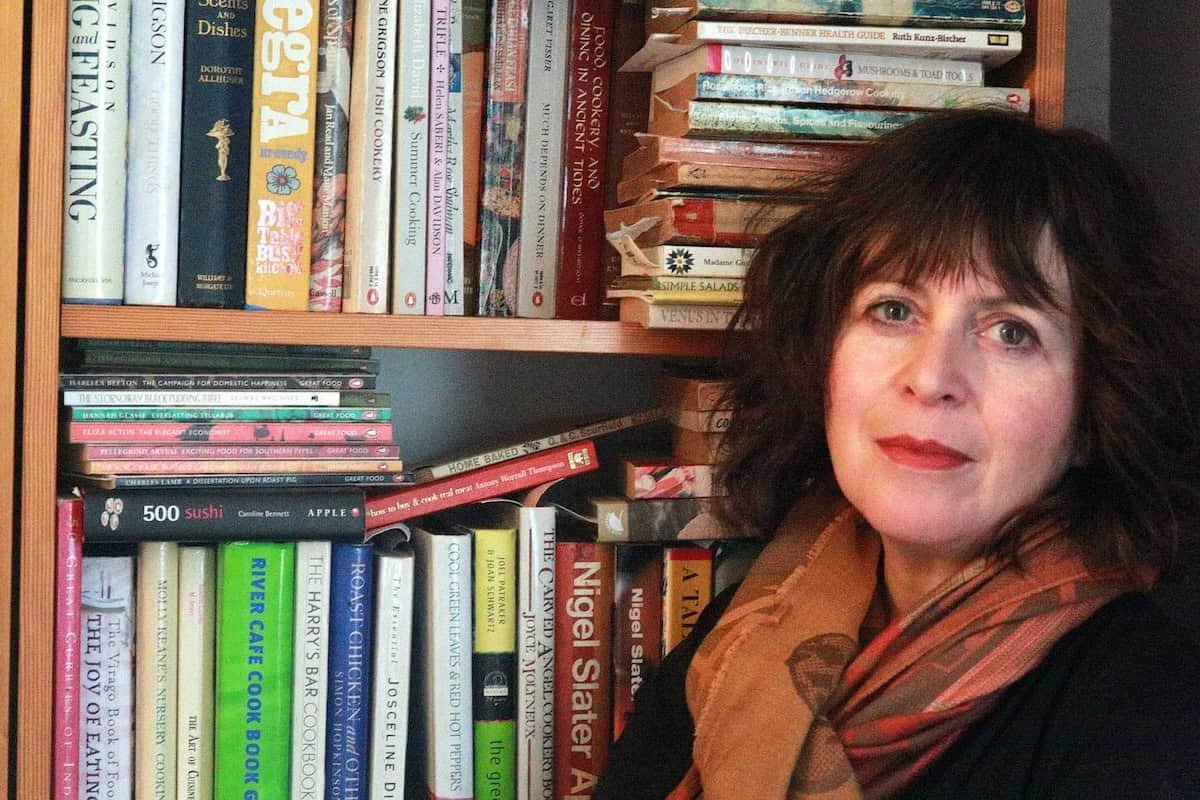
A - My substack is called Queen of Markets. I have a background of running farmers markets and a quirky interest in food history, food stories as well as food policy, sustainability and of course markets. Some of you may have read my recent piece, Never trust the Brownie Cookbook which was a joy to write for The Foodstack Library.
Q - Please tell us about your bookshelves and cookbook collection, what does it consist of, and how many do you have?
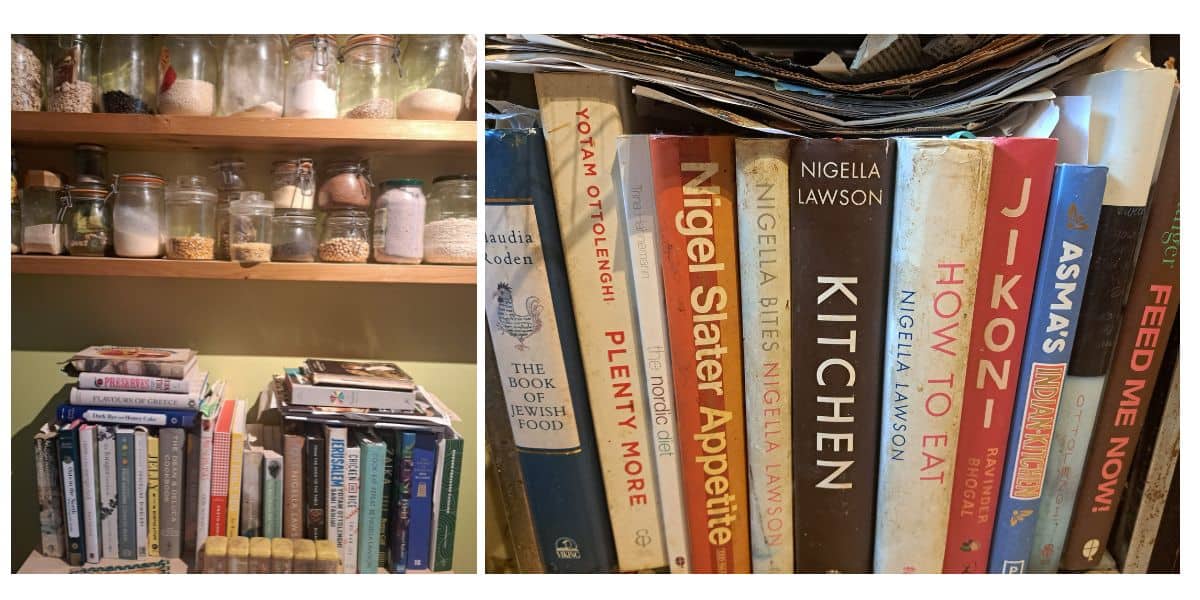
A - I’ve never counted my cookbooks; perhaps I should! They’re in two places. In my kitchen there’s a static and changing selection of books I turn to most often. They’re the books that have earned a lick on gold star whilst the ones in my library are quietly snoozing, sulking or throwing ink pellets at each other. In my library there are books I use for reference, for inspiration or stories. I’ve been collecting cookery books since I was a teenager and I find it hard to part with them. I did give away about 20 to a charity auction a few years ago and I still think; should I have given away my River Cafe books even though I never used them.
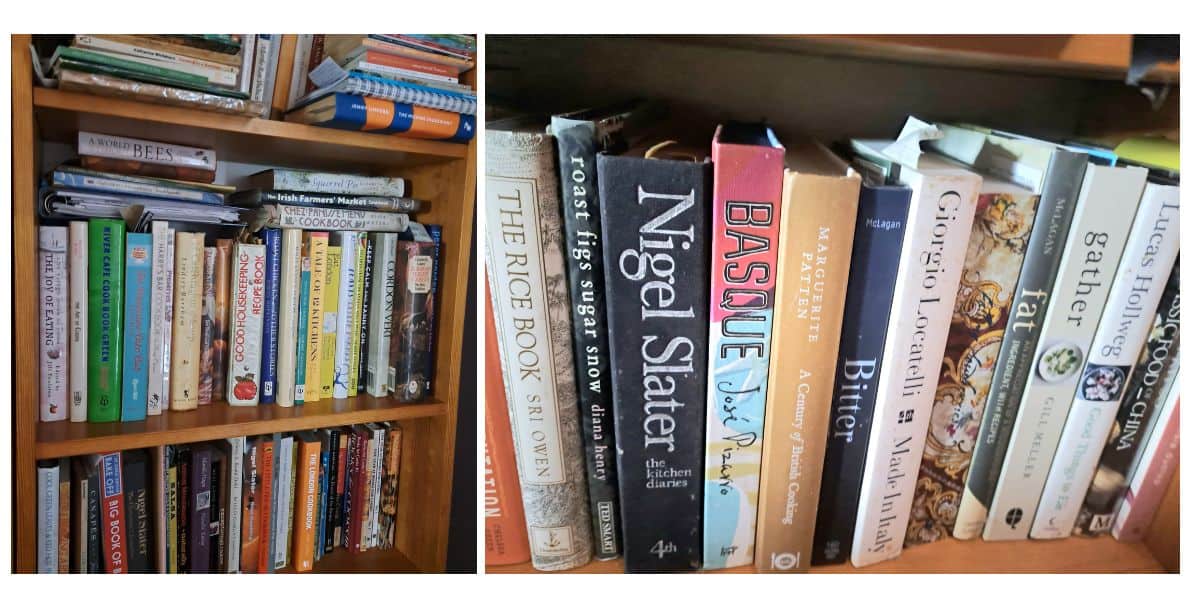
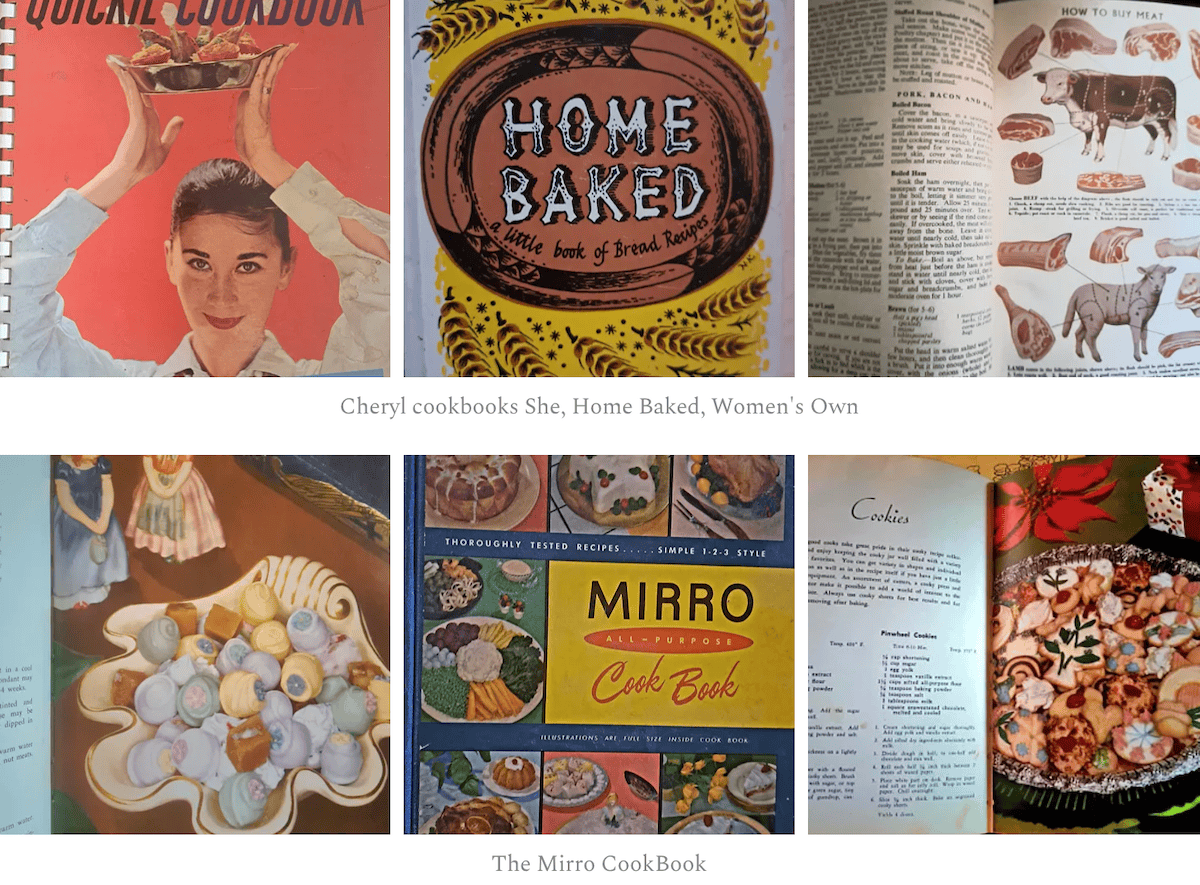
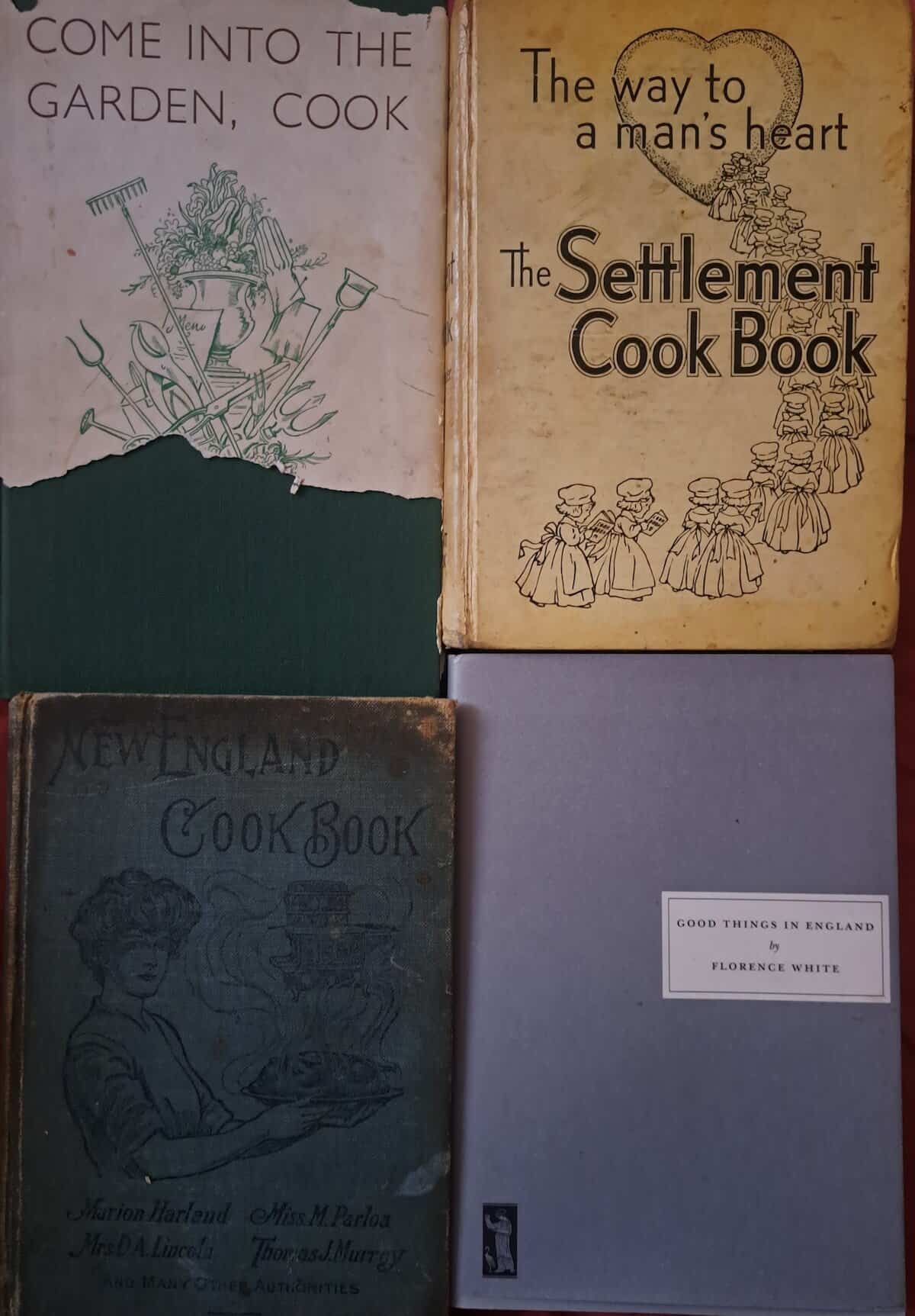
I love buying old volumes, and books from my travels I’d have difficulty cooking from, such as my Spanish convent cook book. I regularly haunt charity and second hand book shops. I rarely buy American books unless the measurements are in metric. Cup measurements and I are mortal enemies. My Dean and Deluca cookbook is thankfully in metric; I turned to it many times when I was working in catering. I also love titles which have beautiful woodcuts such as the Faber much loved Home Baked, or books from the 1940s and 50s with glowing colour photos. I especially adore my Nancy Spain cookbook, the Womens Own collection, the She spiral bound cookbook and two old books from my mother, The Way to a Man’s Heart and the Miro book which I loved for its illustrations.
Q - Which cookbooks do you love and use the most and why? Do any of them have a sentimental value?
A - Grub Street publisher Anne Dolamore once told me that the reason we keep buying new cookbooks is because we only ever cook one or two recipes and then move on. It’s true; I can’t think of any book I have where I’ve cooked every single recipe. The closest is Nigella Lawsons Cook, Eat, Repeat. Otherwise; Madhur Jaffrey’s Eastern Vegetarian Cooking I’ve used a great deal over the years and still do. I have favourite recipes in Jerusalem and Chicken and Rice I come back to. The book I turn to the most is probably Catherine Phipps Modern Pressure cooking because using a pressure cooker isn’t something you can riff on. It’s science and takes getting used to.
Sentimentally, I still have my mothers International Goodwill Recipe Book which I wrote about here in How to Stuff a Monkey.
I often turn to Jane Grigson or Elisabeth Luard for historical wisdom.
Q - Are there any rare or special editions in your collection?
A - I have a few signed copies. River Cafe signed by Ruth and Rose. A copy of Curye on Inglysch which I’ll talk about in a later question. Elisabeth Luard drew a lovely little picture in my copy of her European Peasant Cookery which I treasure!
Q - Can you remember your first cookbook? What was it and do you still have it with you?
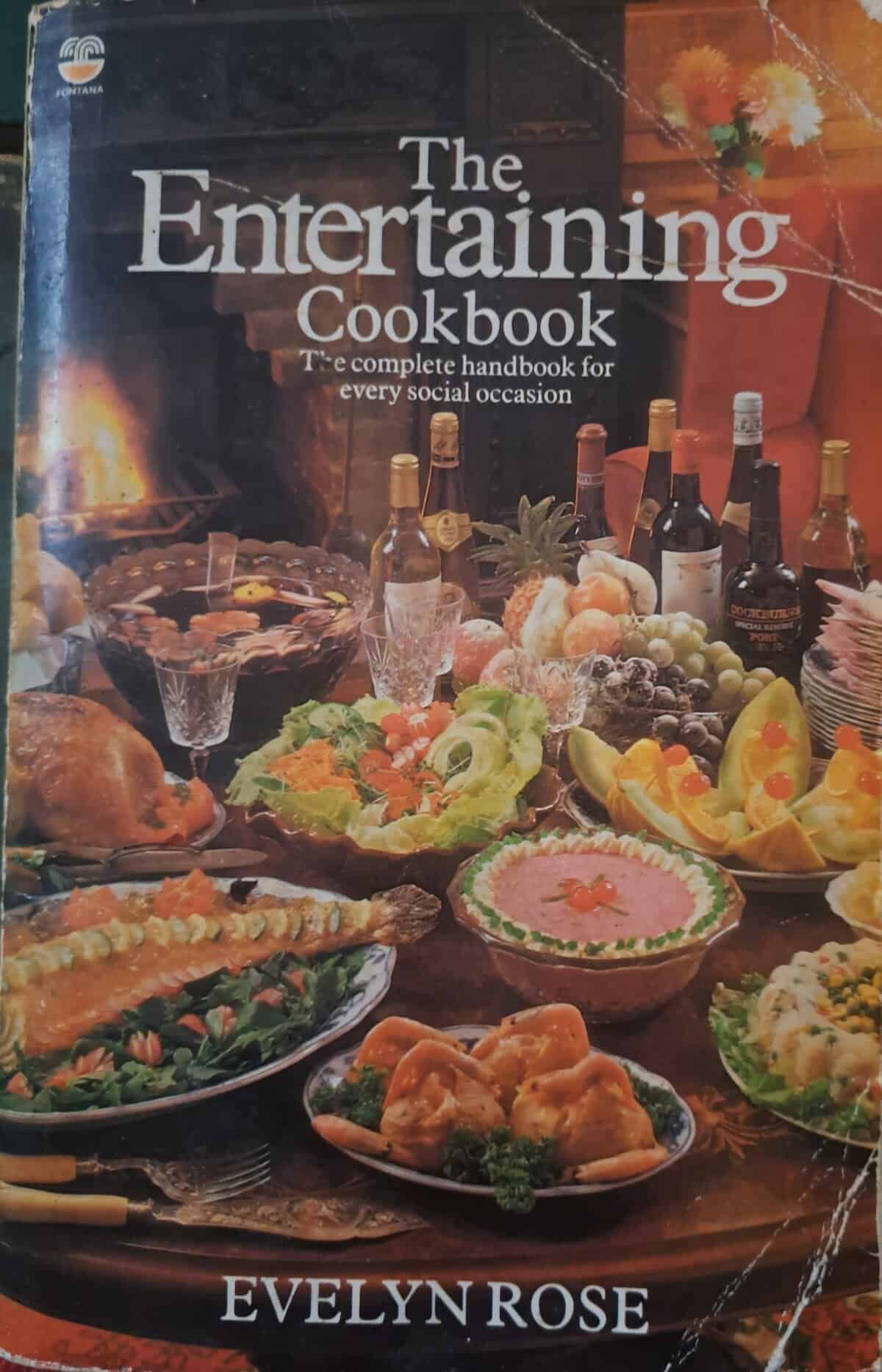
A - Oh yes, as we’ve already mentioned, The Brownie Cookbook. My grandmother gave me a copy of Evelyn Rose’s how to entertain. Rose was the food writer for The Jewish Chronicle for many years, but curiously, this book doesn’t mention Jewish cooking, apart from the fact that you’ll find no pork dishes included, or shellfish. But there’s a picture of prawns on the front cover! I’ve still got both books. I used the Rose book when my sister and I were catering in large quantities, as the ratio guides were useful.
Q - What system do you use to organise or file your books?
A - Shamefully I have no real system. Books I use the least are at the top, out of reach. The rest are on the shelves according to size; paperbacks at the top, hardbacks at the bottom. I should probably classify them, but by author or subject?
Q - What is your oldest Cookbook, and when was it published?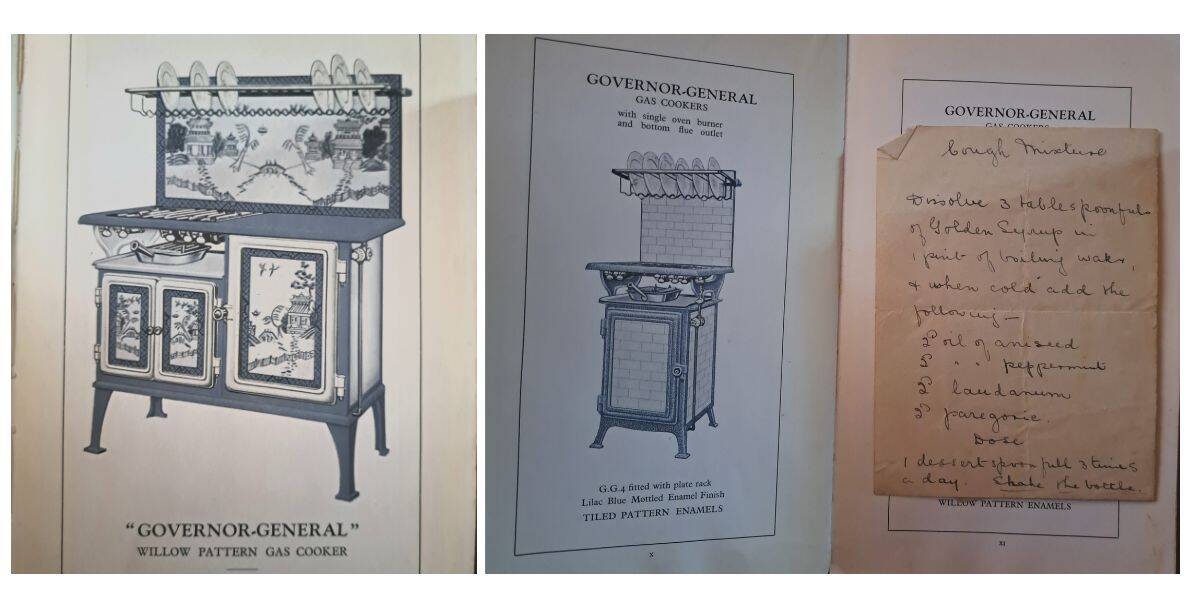
A - Curye on Inglysch, the very first cookbook published in the UK in the 14th century. I have it from when I made a television documentary about whelks because, yes there’s a medieval recipe using whelks which we recreated. The copy I have was republished by Prospect books. I have a few books from the 1920s and ‘30’s including this one; I especially love it for all the hand written recipes tucked inside. Note that the ingredients in this cough mixture include laudanum, and don’t you just love the stove?
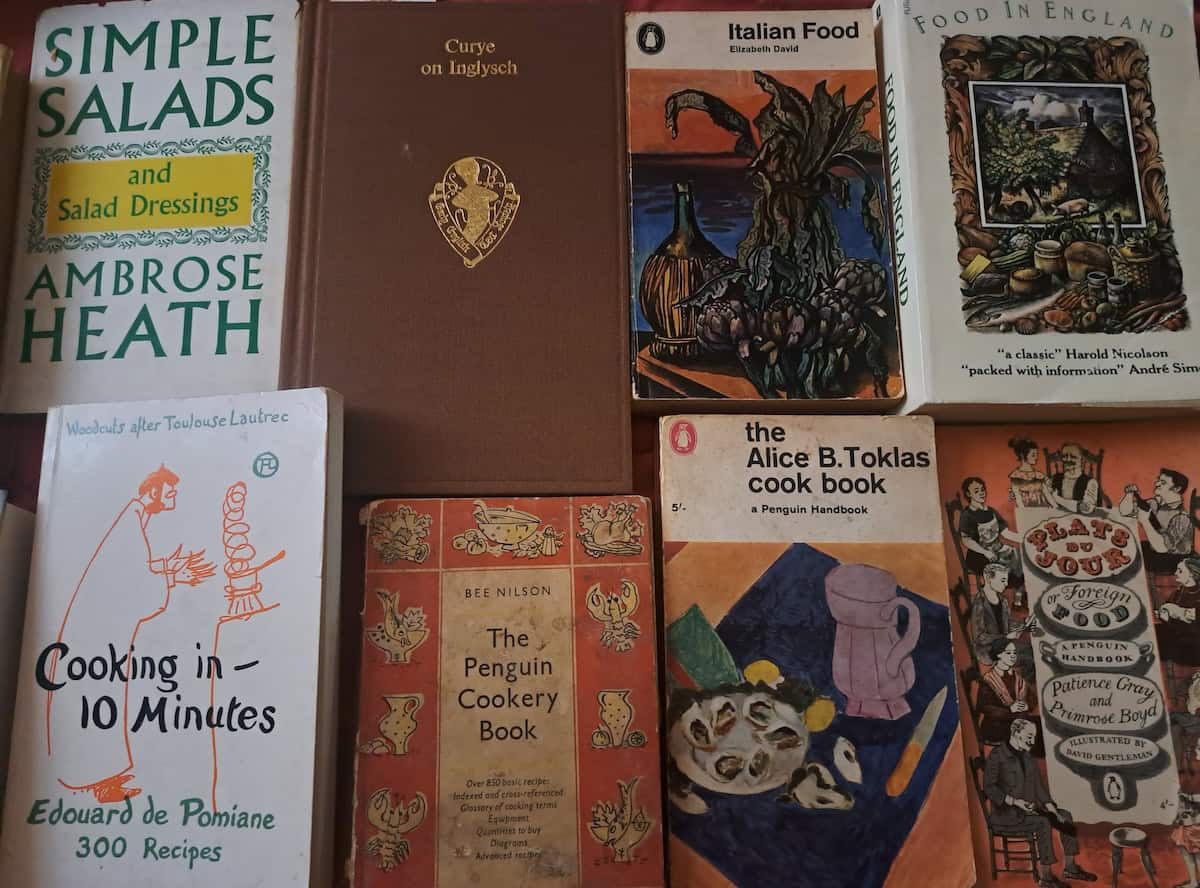 And more, mostly from the 1950s-1960’s.
Q - Which cookbooks would you recommend and why?
A - Jerusalem, by Yotam Ottolenghi and Sami Tamimi, I love the shared history of the city told through food. There are recipes I keep coming back to.
A few years ago, Penguin published a cute collection of slim volumes on classic food writing. I highly recommend them; and incidentally they make great stocking fillers.
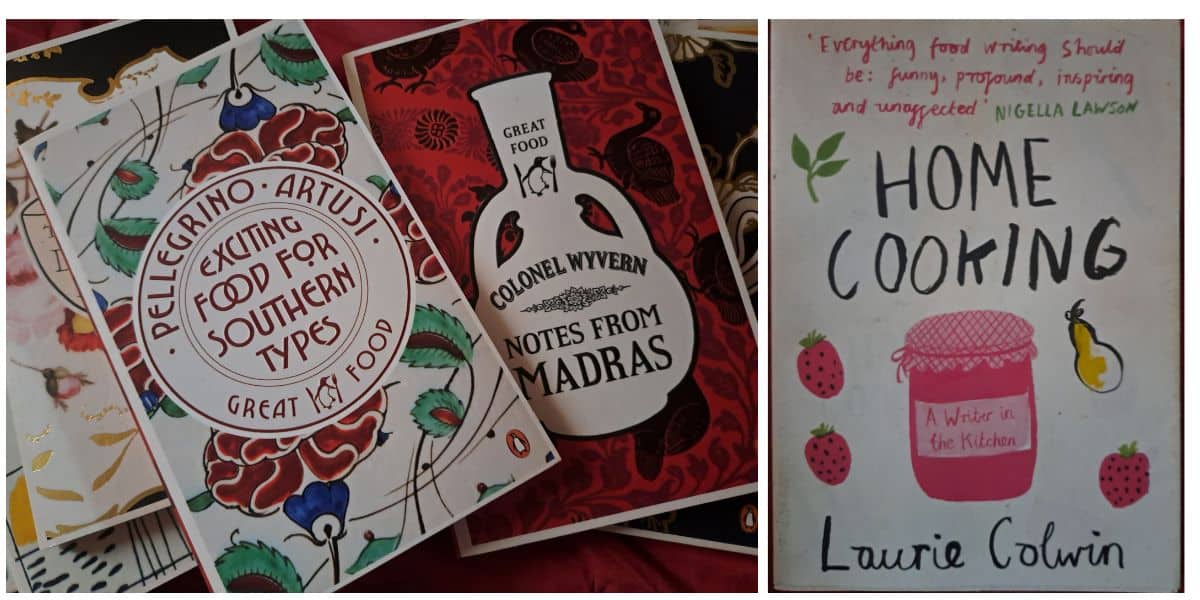
The Scots Kitchen by F Marian McNeill. Long out of print, search for second hand copies. First published 1929, my edition dates from 1937. It’s a diverse and readable collection of recipes, and not what you might expect. Yes, you’ll find countless ways of using oats and various scone recipes but also a Scots floating island using guava cheese, how to make goose blood pudding, a Hallowe’en cake, essays on the National Larder, and Dr Johnson’s thoughts on Scots hospitality.
Regula Ysewijn’s Oats from the North, Wheat from the South, Pride and Pudding and Dark Rye and Honey Cake. She’s an incredible food historian, her photographs are like still lives and the recipes work.
Q - Do you prefer cookbooks by famous chefs, regional cuisine, or specific themes?
A - I swerve away from cookbooks by famous chefs. Often their recipes are more about ego than domestic kitchens. I’m attracted by themes. Sift by Nicola Lamb is my latest acquisition. For years I’ve wanted a book that explains the science. It’s the questions I ask myself most often when I’m in the kitchen. Why does x do y. What happens if I do it differently. Why doesn’t it work if I do a rather than b.
I’m almost ashamed to admit that I do love a novelty cookbook; When we met, I was delighted to find that Jenny Hammerton of Dinner and a Movie and I both have the Dick Emery cook book in our collections. I also have a soft spot for the terribly badly written Elvis Cookbook. The only thing I’ve ever wanted to cook from it was his famous banana pudding. The idea of nila wafers intrigued me. When I did at last find Nila wafers on a trip to see friends in LA I was really disappointed to find that they’re akin to shortbread. I thought from the name that they’d be a wafer. They’re not.
I also love food history, stories and travelogues. I wanted to be a cross between Bruce Chatwin and Jane Grigson. I have two books by artist and food writer Leslie Forbes; Remarkable Feasts, and Tales from the Indian spice trail. She was writing years before Caroline Eden but seems to be forgotten about which is a shame.
In December, I return to Jocelyn Dimbleby: her desserts are delicious and her mince pie recipe is the best. And, Nigel Slater's Christmas Chronicles is a warm glow in book form.
Q - Which cookbook authors have you met or would you like to meet? Tell us about them.
A - I’ve met some lovely authors, some more snippy than others. When I ran farmers markets, I invited Rose Gray and Ruth Rogers to the Notting Hill farmers market to do a cooking demo. They turned up with their full team like a well oiled machine. The idea of having food writers and chefs at markets is to showcase the market ingredients in season, give customers ideas of what to buy and cook. Rose and Ruth brought everything with them. Even bottled Italian water.
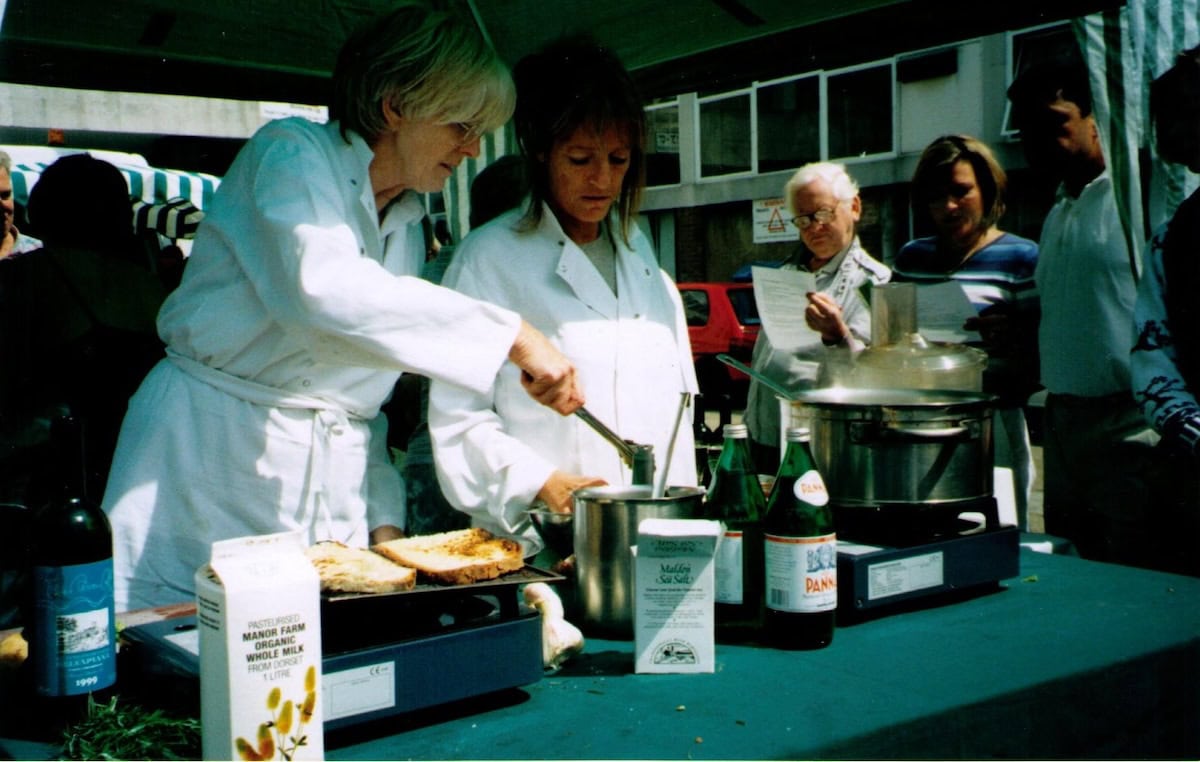
Others, from Peter Gordon, then of The Sugar Club, to Simon Hopkinson, and Bill Grainger were lovely.
I’d love to have met Jane Grigson. Is that cheating including someone who’s no longer with us? I sometimes think about my desert island dinner party; having a group of incredible female food writers and chefs sharing knowledge and stories. Jane would be there, of course. We can’t forget the past, it creates the building blocks for the future. I continue to want to know about the foundations as much as I love reading about the new. Also around the table would be Florence White, Marian McNeil, Eliza Acton, and Dorothy Hartley. Plus Malinda Russell who in 1866, self-published A Domestic Cookbook: Containing a Careful Selection of Useful Receipts for the Kitchen. The book holds the distinction of being the first known cookbook published by an African American. Can I please also have the amazing nonnas in Pasta Grannies? ( Lynn - Of course, you can, Cheryl)
I can’t not include food historian Laura Mason, author of the monumental Traditional Foods of Britain. Many years ago I was making a series of programmes about the history of confectionery for BBC Radio 4. I went to York to meet Laura; we could have talked for hours, such a knowledgeable and talented writer, gone too soon.
I could go on, thinking about so many more talented food writers. I’d be happy to just pour the wine, sit back and listen.
Optional Question - Is there anything else you would like to add about your bookshelves and book collection that I haven’t asked?
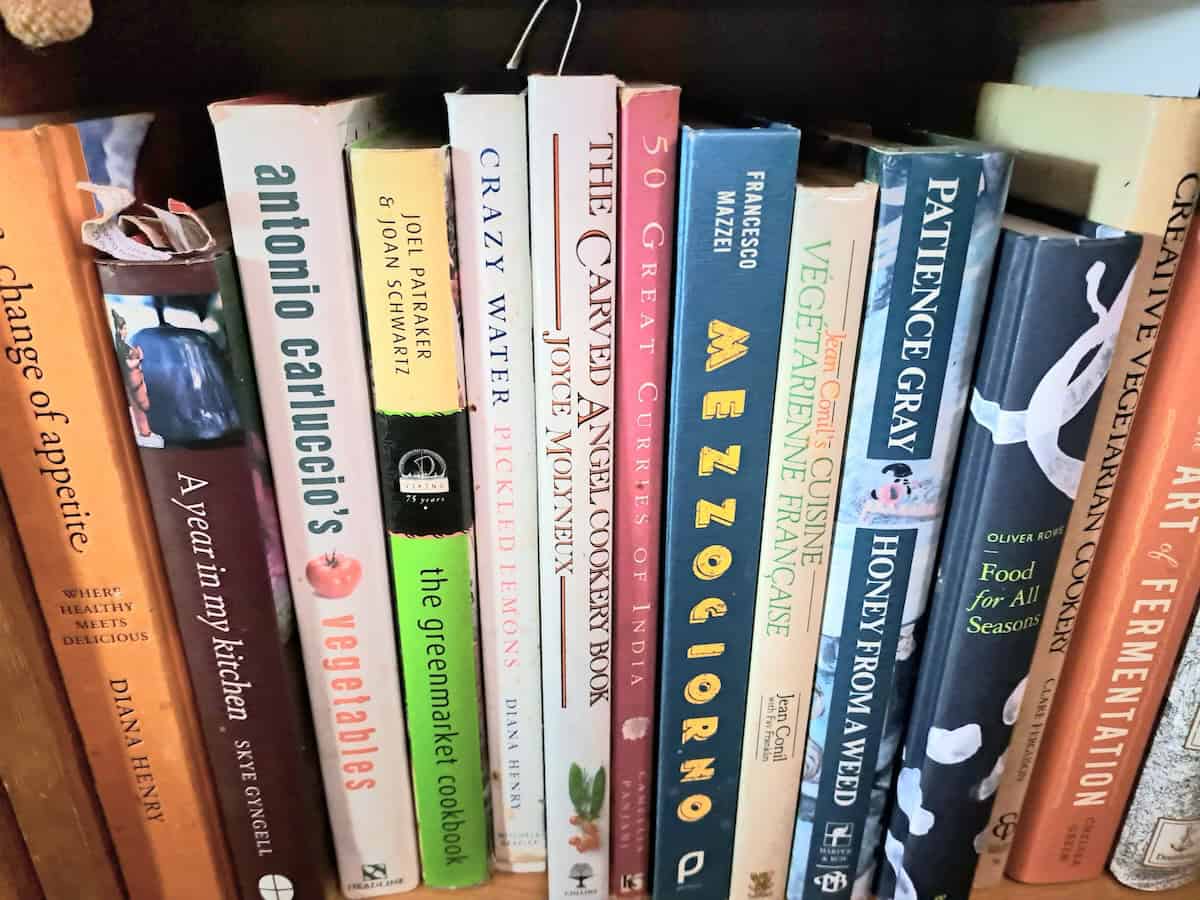
A - I don’t feel the need to rush out and buy every new cookery book. I’d much rather think about the books that get left behind. After all, we go back into our wardrobes and rediscover lost fashions. Why should cookery books be unloved because they’re not new? A book that had a great deal of influence on me is this one; Christine McFaddens’ Cool Green Leaves and Red Hot Peppers, published in 1998, I think. A year before farmers markets started in the UK. As the title suggests it takes the reader through different varieties of vegetables, with recipes and information about growing them. Years before we were talking about ‘heritage varieties’ she was writing about them.
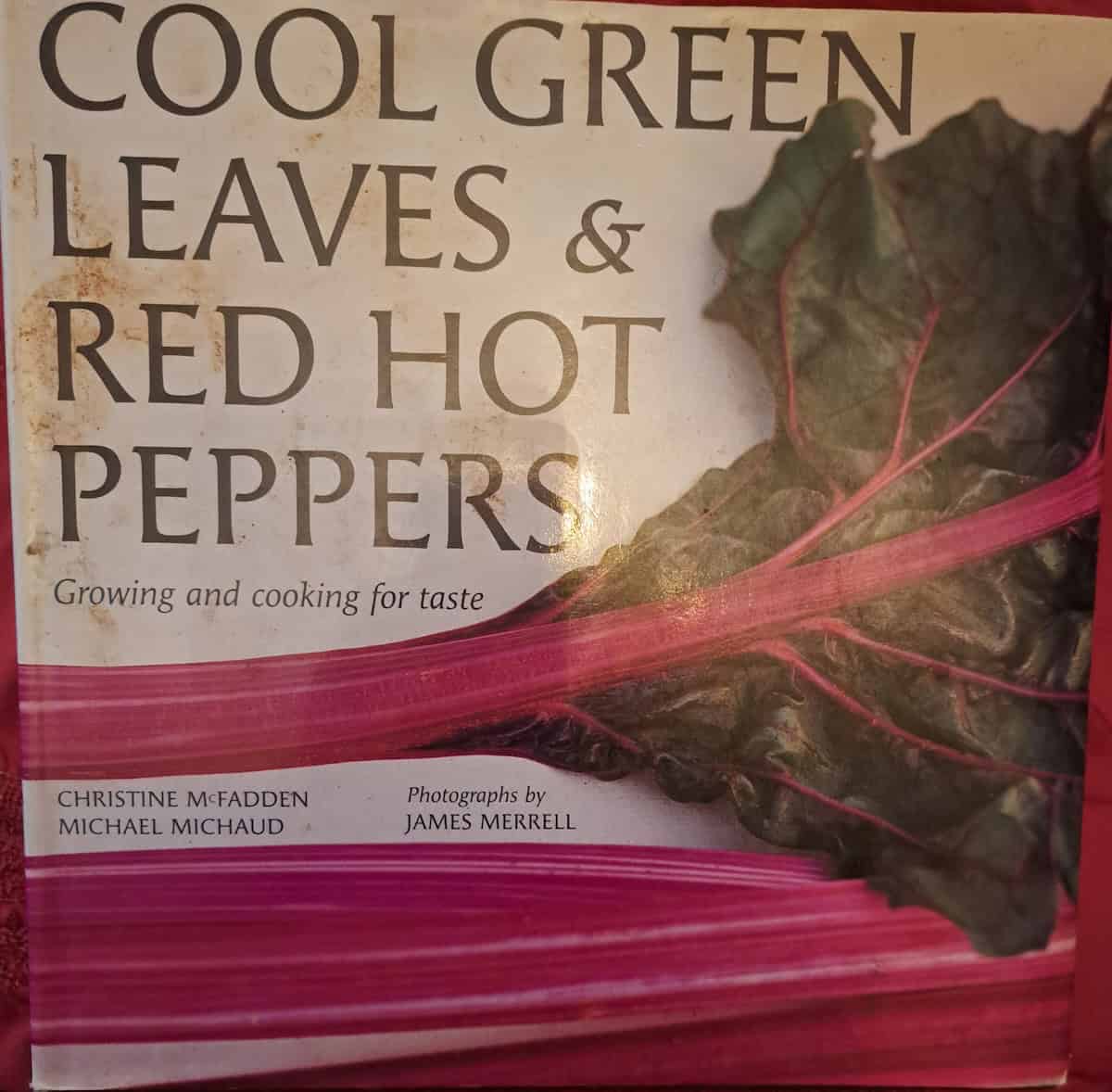
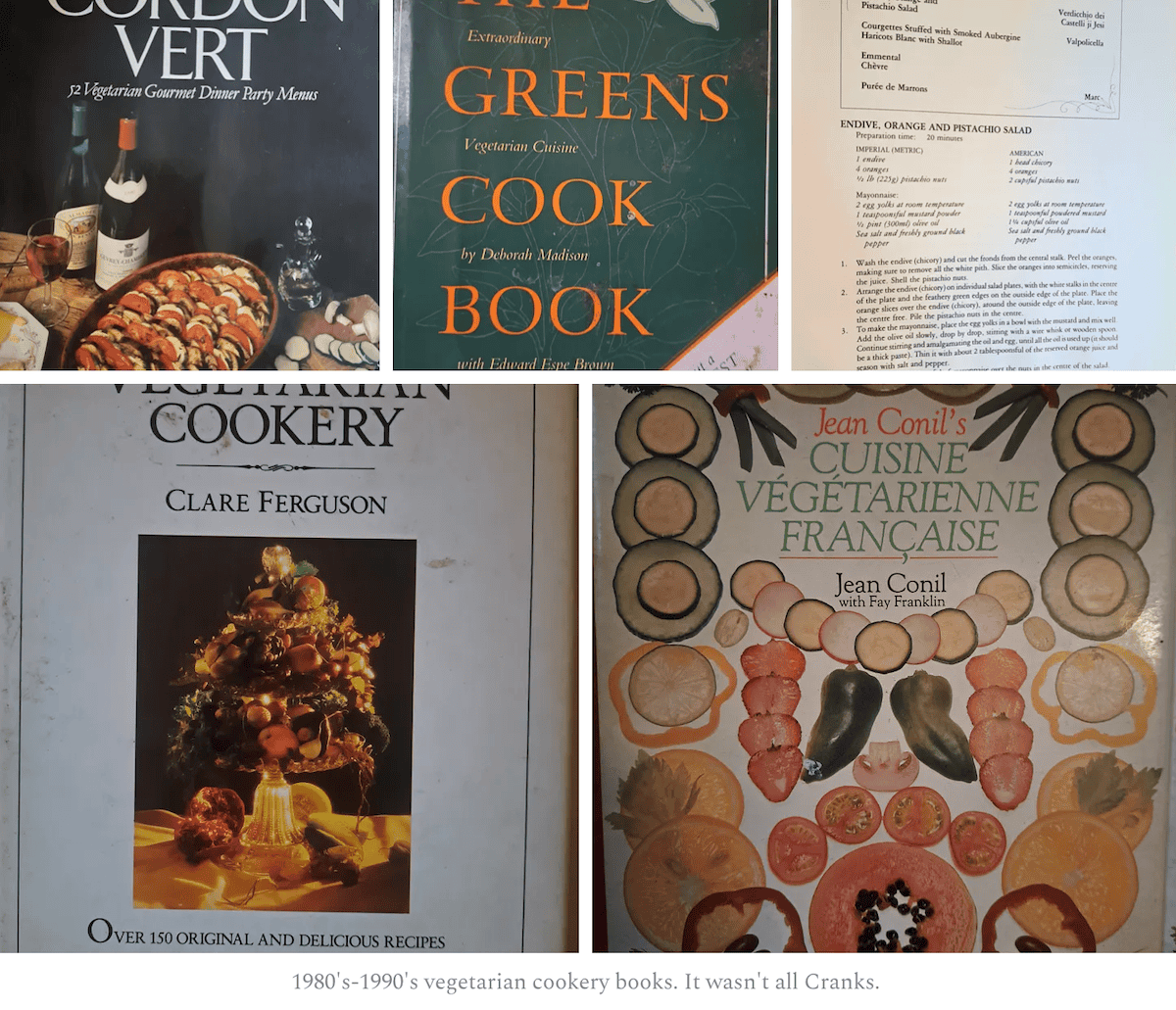
From the mid 1980’s through to the 1990’s when vegetarian cookery was emerging from the wholemeal and carob covered dessert, I have all of Colin Spencers books, plus Clare Ferguson, The Greens Cookbook and Jean Conil. Vegetarian food was becoming adventurous and interesting. I’ve taken Colin Spencer down from the top shelf to have another read. Is it time for the three layered vegetable terrine to have a revival?
 Because I always take a good book out on a walk
Subscribe to Queen of Markets Queen of Markets
Thank you so much Cheryl Queen of Markets for sharing with us your bookshelves and collection of cookbooks. I am delighted to see one of my cookbooks, the ‘Clandestine Cake Club’ cookbook, on your shelf.
Comments
Post a Comment